How to Safely Trim Nose and Ear Hair Using a Multi-Head Electric Shaver
To safely trim nose and ear hair with a multi-head electric shaver, swap to the dedicated nose and ear trimmer — not the 7D magnetic floating heads. USB charge on a dry port so the cutter does not stall and pull. Insert only the guarded tip, keep the pass shallow, and let the trimmer cut what reaches the window. Wet-and-dry waterproof rinsing is for after, on the attachment, not for flooding your sinuses. Skin-friendly here means the guard, a calm hand, and hygiene so you are not introducing a dirty body head into a cavity.
Why the wide head is unsafe here
7D floating heads are for scalp, legs, and other broad skin. They are not sized or guarded for a nostril. Forcing them in is how people nick a rim and then blame “electric shavers.”
The kit includes a nose, ear, and hair trimmer set because those jobs are different. Swap on a dry handle. Knock body hair off the seat so you do not carry it into a nose guard.
If you only own the 7D array and no detail head, do not improvise with scissors in a mirror panic either if you are not practiced — and do not invent a 7D workaround. Get the right attachment on the handle you already charge.
Nose: shallow is the entire method

Power on outside the nostril so you know the motor is spinning. Tip in a short distance. Small circles or a brief hold, then out. You are trimming hairs that stick out or sit at the opening, not landscaping the cavity.
Do not chase a hair you cannot see. That chase is how tips go too far. Breathe, stay still, and keep your other hand from yanking the nose around.
If the trimmer grabs, it is packed or undercharged. Stop. Rinse the guard. Charge USB. Grabbing inside a nostril is the opposite of safe. After the session, follow the wet and dry shaver attachment hygiene FAQ for nose, ear, and body trimmers.
Ear: rim versus canal
The outer rim and the visible bowl can take a guarded trimmer with the same shallow logic. The deep canal is not a grooming project. Do not insert a spinning tool to “go deeper.”
Hold the ear gently so you can see. Short pulses. If you cannot see, you are too far in.
Hair around the ear on the skin of the cheek or scalp is a 7D or hair-trimmer job on the outside, not an excuse to angle the nose tool along the canal. Keep maps separate.
Hygiene is part of safe
Nose and ear attachments collect different debris than legs. Rinse them apart. Dry them apart. Do not drop a wet nose guard into a pouch with a body head.
Do not share a nose trimmer across people without a full clean. Cavities are not a communal gadget.
If you nicked the rim, stop. Water, not powder experiments. If bleeding does not quit or the area looks angry later, that is care, not another trim. For body-head sanitation that should never migrate un-rinsed onto this tool, see how dirty shaver heads cause skin breakouts and how to sanitize them.
Tool versus zone
| Zone | Use | Do not | | --- | --- | --- | | Nostril opening | Guarded nose trimmer, shallow | 7D floating heads | | Visible ear bowl / rim | Guarded ear trimmer, short pulses | Deep canal spins | | Cheek or scalp near the ear | 7D heads or hair trimmer on skin | Nose tool as a pointer | | After the trim | Rinse and dry the attachment | Pouch it wet with body heads | | Grab or pain | Stop, clean, charge | Push through |
Safe nose and ear checklist

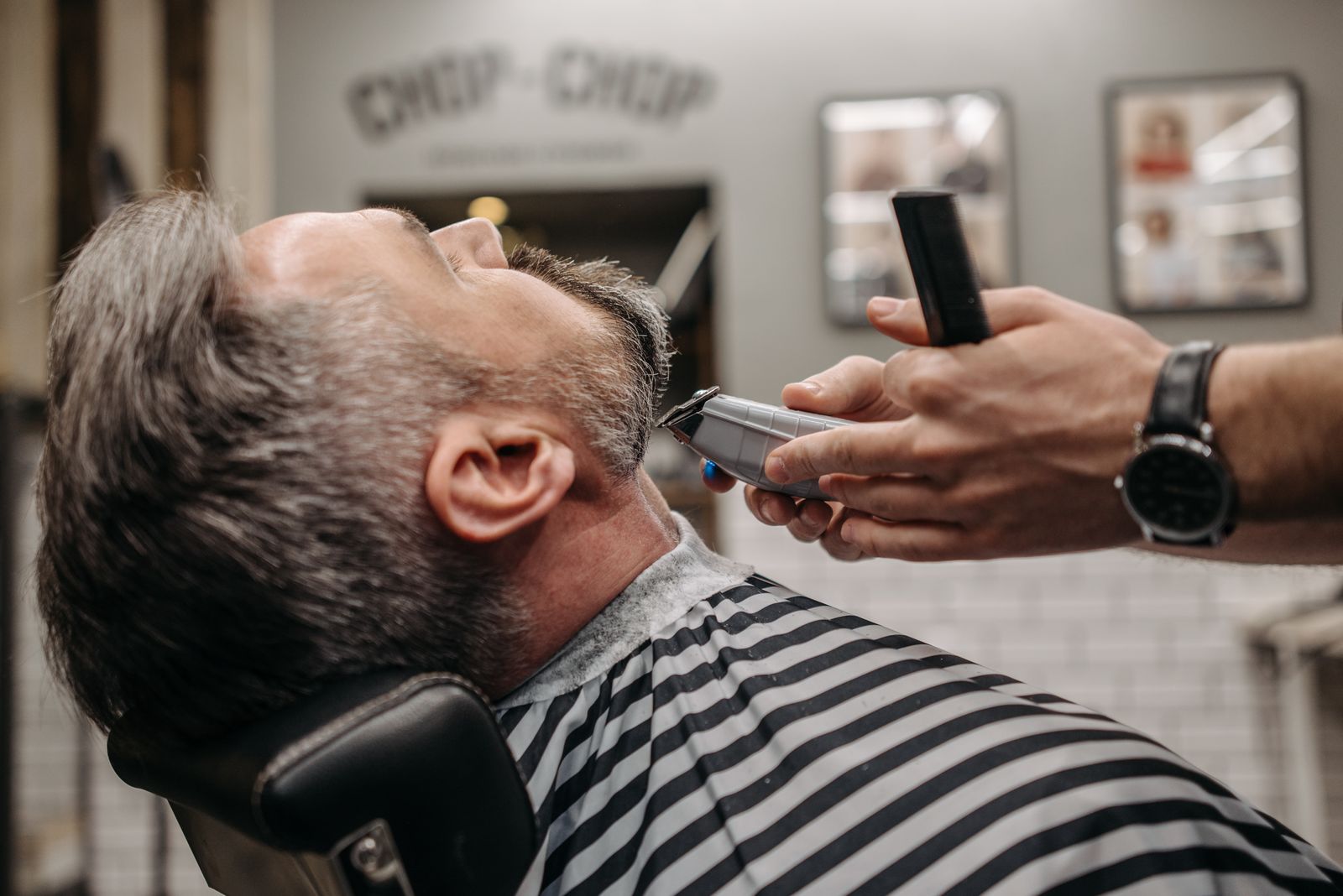
Photo by Nugroho Wahyu on Pexels
- [ ] Swap to the guarded nose/ear trimmer; 7D heads stay off.
- [ ] USB charge on a dry port; confirm the motor spins before you insert.
- [ ] Shallow passes only; never chase unseen hairs.
- [ ] Stay out of the deep ear canal.
- [ ] Rinse and dry the attachment alone.
- [ ] Stop on pain, grab, or bleeding.
Frequently asked questions
Can I use the 7D magnetic head to trim nose hair?
No. It is the wrong size and has no cavity guard. Use the dedicated trimmer.
How often should I trim nose and ear hair?
When hairs show at the opening or rim. Frequent deep sessions are not safer. Shallow and occasional beats daily excavation.
Is a wet trim safer?
The attachment can be rinsed because the kit is wet-dry. Trimming inside a soaked nostril is not required. Dry, charged, shallow is the default.
What if the trimmer tickles and I jump?
Power on outside, then go in. A jump with a spinning tip is how nicks happen. Slow is safe.
Related reading
Attachment hygiene and cleaning pages that belong with safe nose and ear trimming.
- wet and dry shaver attachment hygiene FAQ for nose, ear, and body trimmers
- how dirty shaver heads cause skin breakouts and how to sanitize them
- how to clean a 7D magnetic head electric shaver for peak performance
- daily hygiene and deep cleaning guide for 7D magnetic shaver heads
What to do next
Charge the handle on a dry USB port, snap on the guarded nose and ear trimmer, and take one shallow pass at the opening or rim only. Rinse that attachment by itself. Leave the 7D magnetic heads for broad skin. That is safe multi-head trimming.
Cover photo by Pavel Danilyuk on Pexels.