Selecting a Facial Hair Remover for Sensitive Skin
 Jordan HaleStaff Writer
September 8, 2026. Finding the right tool for facial grooming requires balancing efficiency with skin integrity. This guide serves consumers navigating the diverse landscape of electric and manual hair removal options.
Standing in front of my bathroom mirror, the morning light caught a patch of fine fuzz along my jawline that I hadn't noticed before. The first thing I noticed was how the light seemed to amplify every tiny strand, making the skin look duller than it actually was. For many of us, the quest for a smooth canvas isn't about vanity; it is about how our skincare absorbs and how our makeup sits. According to ProMD Health in their guide on the Best Hair Removal for Face 2026, the methods we choose—ranging from electric trimmers to dermaplaning—should be dictated by our specific skin sensitivity and hair type. The friction of a blade or the pull of a wax strip can often lead to irritation that lasts far longer than the hair-free window we were aiming for. Selecting a tool involves understanding that the skin on the upper lip and chin is significantly thinner and more prone to redness than the skin on our legs.

Photo by cottonbro studio on Pexels
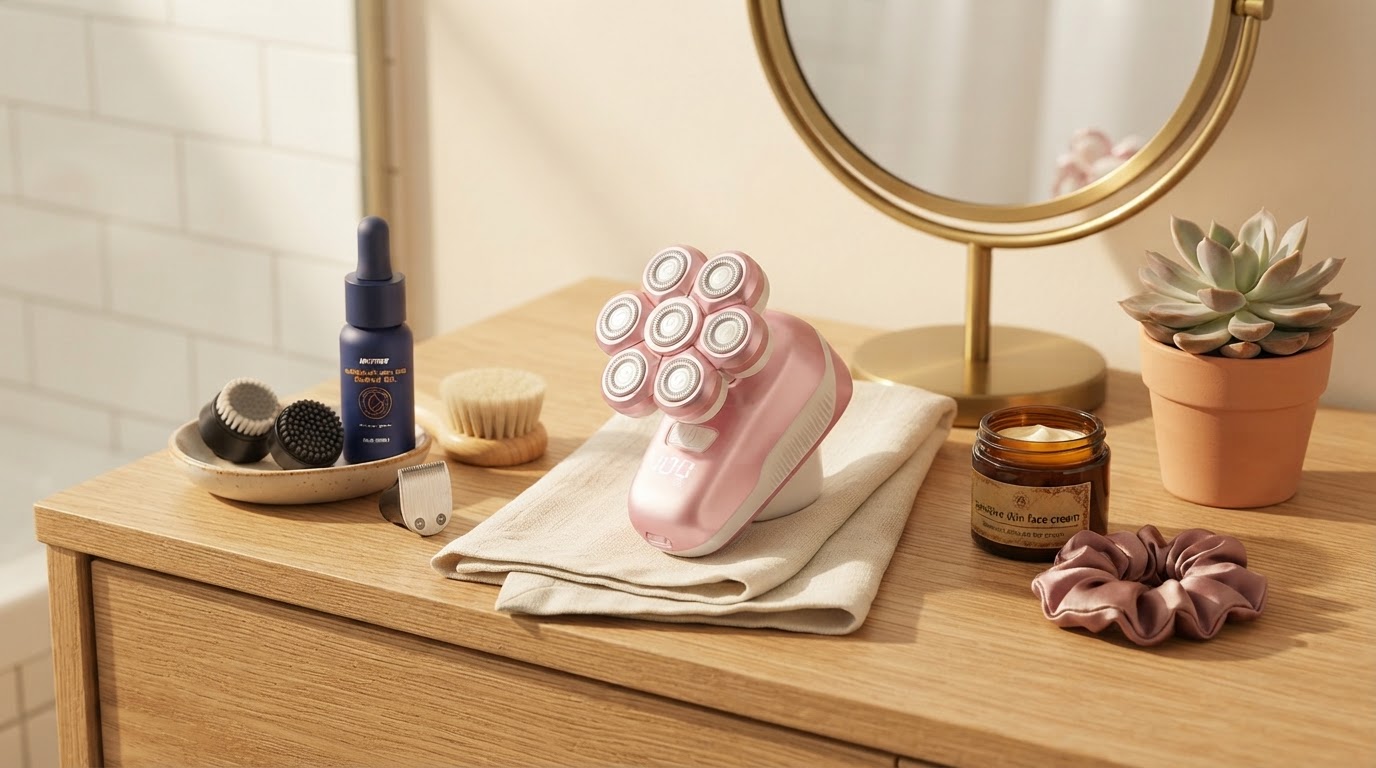
When I first picked up the Electric Shaver for Women, the weight of the device felt balanced, not flimsy. It turns out that precision is the most critical factor when working around the contours of the nose and the delicate arch of the brow. Unlike manual razors that require multiple passes, a dedicated electric facial tool uses high-speed oscillating blades housed behind a protective guard. This design is what enables painless hair removal for face, as the blade never actually makes direct contact with the epidermis. For those dealing with thicker growth, Glamour highlights the Conair All-In-1 Facial Hair Removal for Women as a robust choice for coarse strands, whereas a rechargeable lady shaver for peach fuzz is better suited for the light, vellus hair that covers the cheeks. I found that using the electric device in small, circular motions allowed the foil to capture hairs from different angles without the tugging sensation associated with epilators. It provides a level of control that manual dermaplaning tools, like the Jenny Patinkin Skin Smoothing Trio, can sometimes lack if you aren't practiced with the 45-degree angle technique recommended by professionals.
Choosing the right device requires a systematic look at your routine and your skin's recovery speed. Somewhere around week two of testing different methods, I realized that the best tool is the one that doesn't require a recovery period. If you are prone to breakouts, you might lean toward a device with hypoallergenic stainless steel heads that can be easily sanitized. You should also consider the power source; a corded device offers consistent torque, but a rechargeable model provides the portability needed for mid-week touch-ups. When evaluating your options, use this framework to ensure the tool fits your lifestyle:
- Assess hair density: Choose high-torque motors for coarse chin hair and fine-foil heads for vellus peach fuzz.
- Verify blade material: Look for hypoallergenic or gold-plated guards to minimize the risk of contact dermatitis.
- Check for multi-functional attachments: Ensure the kit includes a detailer for eyebrows and a wider head for larger facial areas.
- Evaluate maintenance needs: Opt for water-resistant heads that allow for quick rinsing under the tap.
- Consider skin prep requirements: Determine if the device works best on dry skin or requires a specific conductive gel.
To find the right balance of precision and comfort for your grooming routine, Shop Electric Shaver for Women here.