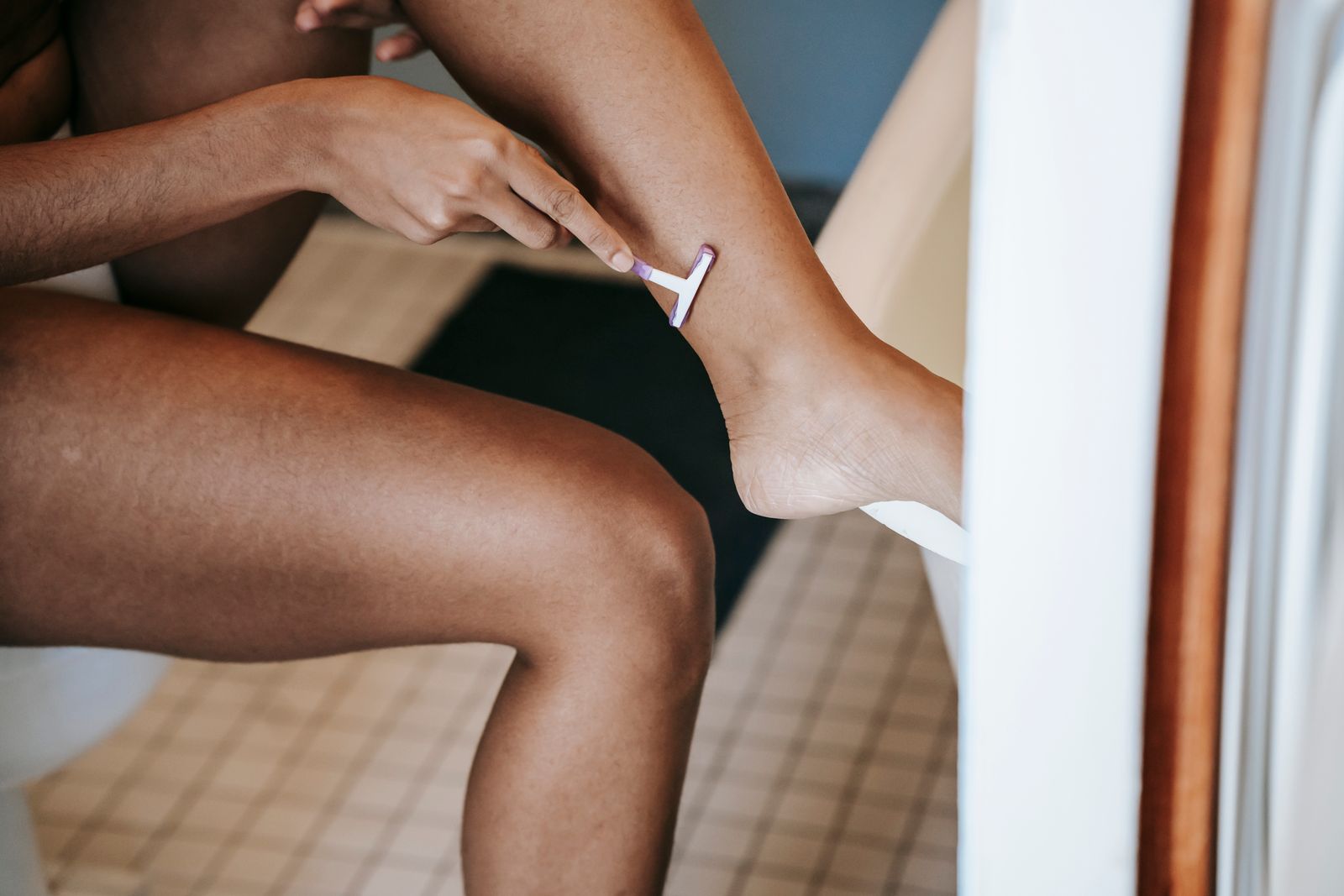
Wet Shaving vs. Dry Shaving: Which Technique Works Best for Your Skin?
Wet shaving versus dry shaving with an electric shaver is a technique split, not a fork that requires two machines, if your kit is wet-and-dry waterproof. For reactive or coarse zones, wet technique (lukewarm water, optional gel, slow 7D circles) usually feels better. For calm legs or a travel morning, dry technique is faster. Skin-friendly flexible magnetic floating heads need light contact either way. The best technique for your skin is the one that leaves it even without heat, plus a rinse if you used product.
Wet technique, step by step
Charge the USB pack first; a shower is a bad time to discover an empty handle. Wash the zone. Pop on seated 7D heads. Water on skin, thin gel if you want slip. Rest the caps. Slow overlapping circles on contours, longer overlaps on legs. Do not chase foam around a crease with the handle on edge.
Rinse skin. Rinse heads and magnetic rings. Dry the USB port before you even think about the cable. That last sentence is the technique people skip, then blame wet shaving for a dead pack.
If gel stings, it may be fragrance, not water. Try less product or skip to water-only wet.
Dry technique, step by step
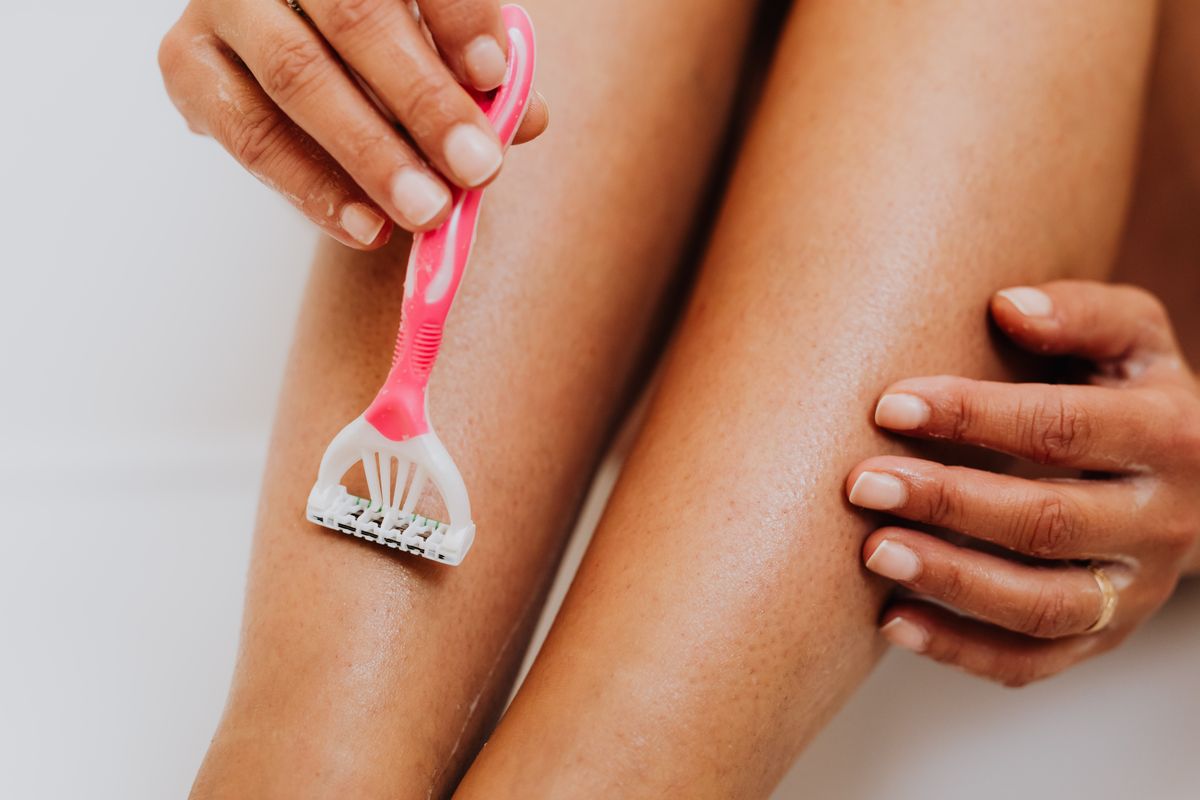
Photo by https://kaboompics.com/ on Pexels
Clean, dry skin. Clean, dry heads. Charged motor. Same light float. Tap out debris as you go if you are covering a lot of leg. Dry debris loads slots too.
Dry is a poor match for already-pink underarms, a flaky scalp you usually wet-soothe, or a week's growth you intend to grind down. Pre-trim with the hair trimmer, then dry-close if the skin is calm, or switch that zone to wet.
Travel dry-shaving still needs a rinse when you reach a sink. A week of dry-only without a tap-out is how irritation shows up on day four.
Mixing techniques on one body
Your skin is not one type. Wet bikini, dry calves is a normal map. Wet scalp, dry arms is another. A waterproof 7D kit exists for that mix. Change cleanup when you change mode: gel zones get a real rinse mid-session if the head starts to drag.
Do not mix wet product and then a long dry grind on the same patch hoping for cartridge-close. Pick a mode, finish the zone, stop.
If one mode always burns a zone even with a clean head, that zone may want fewer sessions, not the other mode with more pressure.
Technique by skin state
| Skin state | Better technique | Watch-out | | --- | --- | --- | | Calm, short hair | Dry, light overlap | Skipping tap-out on long legs | | Reactive crease | Wet with slip | Leaving gel in 7D slots | | Coarse, longer growth | Trim, then wet close | Dry grinding a thicket | | Flaky scalp | Often wet, gentle | Pressing for shine | | Travel, no sink yet | Dry | No rinse for days after | | Already burned | Neither; skip | Hiding stubble |
Wet vs dry technique checklist
Photo by cottonbro studio on Pexels
- [ ] Choose mode per zone, not per ideology.
- [ ] Charge USB before a shower wet pass.
- [ ] Keep 7D pressure equally light in both modes.
- [ ] Rinse heads after any gel.
- [ ] Tap out during long dry sessions.
- [ ] Dry the charge port every time.
Frequently asked questions
Which technique is best for sensitive skin?
Wet with slip on the reactive zones. Dry only where the skin is actually calm.
Is dry electric shaving bad?
No. It is a valid mode on a clean head and calm skin. It is a poor rescue plan for angry skin.
Will wet shaving clog 7D heads faster?
Gel clogs if you skip the rinse. Water-only wet is easier to flush.
Can I wet-shave my scalp and dry-shave my legs the same day?
Yes. Clean the heads when you switch if product was involved.
Does wet technique make the shave closer?
It can feel smoother. Do not add dry grinding afterward to chase a number nobody measured.
Related reading
Head-specific wet/dry comparison and hygiene pages pair with this technique split.
- wet versus dry head shaving with an electric shaver
- how to shave a bald head with 7D floating heads
- how to clean 7D magnetic shaver heads after wet use
- wet-dry attachment hygiene FAQ
What to do next
Pick one reactive zone and one calm zone. Wet-shave the first with slip and a rinse; dry-shave the second with a tap-out. Keep pressure identical. The better technique is whichever leaves that zone even without heat.
Cover photo by Sora Shimazaki on Pexels.